
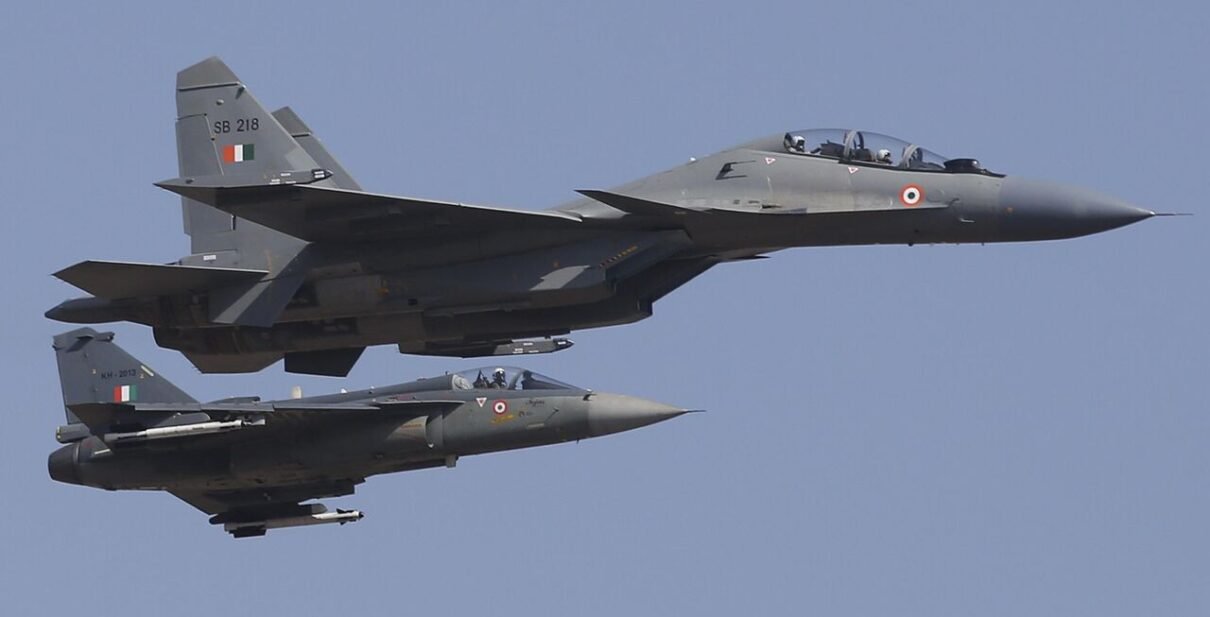
India’s defense electronics sector stands at a pivotal moment in history. As global security challenges evolve and the need for technological self-reliance becomes increasingly critical, indigenous defense electronics companies are stepping forward to fill the gap between dependency and sovereignty. The transformation from an import-dependent defense ecosystem to a self-reliant powerhouse represents one of the most significant strategic shifts in modern Indian industrial policy.
The Current Landscape
The Indian defense electronics market, valued at approximately $15 billion in 2023, is experiencing unprecedented growth driven by government initiatives like “Make in India” and “Atmanirbhar Bharat.” These programs have catalyzed a fundamental shift in how India approaches defense procurement, prioritizing domestic capabilities over foreign dependencies.
Traditional defense procurement models relied heavily on international suppliers for critical electronic systems. However, recent geopolitical tensions and supply chain disruptions have highlighted the vulnerabilities inherent in this approach. Today, Indian companies are demonstrating that indigenous solutions can not only match international standards but often exceed them in terms of customization, cost-effectiveness, and rapid deployment capabilities.
Technology Breakthroughs Driving Change
Several key technological breakthroughs are enabling this transformation:
Advanced Semiconductor Design: Indian companies are developing specialized semiconductors optimized for defense applications, including radiation-hardened processors for space applications and high-temperature components for aerospace systems. These developments reduce dependence on foreign semiconductor supply chains while ensuring optimal performance for specific mission requirements.
AI and Machine Learning Integration: The integration of artificial intelligence in defense electronics is revolutionizing capabilities across multiple domains. From autonomous threat detection systems to predictive maintenance algorithms, AI-powered solutions are enabling unprecedented levels of operational efficiency and strategic advantage.
Cyber-Resilient Architectures: As cyber warfare becomes increasingly sophisticated, indigenous defense electronics are being designed with built-in cybersecurity features. This includes hardware-level encryption, secure boot mechanisms, and isolated processing environments that protect critical military communications and operations.
Edge Computing Solutions: The deployment of edge computing in military applications enables real-time decision-making in environments where cloud connectivity is limited or compromised. Indian companies are developing ruggedized edge computing platforms specifically designed for harsh military environments.
Strategic Importance of Self-Reliance
The strategic importance of indigenous defense electronics extends far beyond economic considerations. Self-reliance in this sector directly impacts national security, technological sovereignty, and long-term strategic planning capabilities.
From a security perspective, indigenous systems eliminate the risk of backdoors, kill switches, or other vulnerabilities that could be exploited by foreign adversaries. When defense systems are designed and manufactured domestically, complete control over the supply chain ensures that no unauthorized modifications or surveillance capabilities are embedded in critical infrastructure.
Technological sovereignty is equally important. Countries that control their defense electronics technology can rapidly adapt systems to meet evolving threats, customize solutions for specific operational requirements, and maintain these systems throughout their lifecycle without external dependencies.
Market Dynamics and Opportunities
The Indian defense electronics market is characterized by several key dynamics that create significant opportunities for indigenous companies:
Government Support: Policy initiatives like the Defense Procurement Procedure (DPP) 2020 and the Defence Acquisition Procedure (DAP) 2020 prioritize indigenous solutions through various mechanisms including preferential treatment, offset obligations, and technology transfer requirements.
Export Potential: As Indian defense electronics companies demonstrate their capabilities domestically, significant export opportunities are emerging. Countries seeking alternatives to traditional defense suppliers are increasingly looking to India as a reliable partner for advanced defense electronics.
Innovation Ecosystems: The development of defense corridors in Uttar Pradesh and Tamil Nadu, combined with increased R&D funding, is creating innovation ecosystems that foster collaboration between industry, academia, and government research organizations.
Challenges and Solutions
Despite significant progress, several challenges remain in the journey toward complete self-reliance:
Skill Development: The rapid pace of technological advancement requires continuous skill development across the defense electronics workforce. Companies are addressing this through partnerships with technical universities, specialized training programs, and knowledge transfer initiatives.
Capital Investment: Advanced defense electronics manufacturing requires significant capital investment in specialized equipment and facilities. Government schemes like the Production Linked Incentive (PLI) program are helping companies overcome these barriers.
Quality and Reliability Standards: Defense electronics must meet extremely stringent quality and reliability standards. Indian companies are investing heavily in testing facilities, certification processes, and quality management systems to ensure their products meet international standards.
Global Competitiveness
Indian defense electronics companies are increasingly competing on the global stage, demonstrating that indigenous solutions can match or exceed international alternatives. This competitiveness is built on several key advantages:
Cost Effectiveness: Indian companies can deliver high-quality solutions at competitive prices due to lower development costs and efficient manufacturing processes.
Customization Capabilities: The ability to rapidly customize solutions for specific customer requirements gives Indian companies a significant advantage over larger international suppliers with standardized product lines.
Agile Development: Smaller, more agile Indian companies can adapt to changing requirements and deploy new technologies faster than large multinational corporations.
Future Outlook
The future of indigenous defense electronics in India appears exceptionally promising. Several trends are likely to accelerate growth in the coming years:
Increased Defense Budget: Rising defense expenditure, with a growing portion allocated to domestic procurement, will provide sustained market growth opportunities.
Technology Convergence: The convergence of technologies like 5G, AI, IoT, and quantum computing will create new categories of defense electronics where Indian companies can establish early leadership positions.
International Partnerships: Strategic partnerships with friendly nations will create opportunities for technology exchange, joint development programs, and collaborative manufacturing initiatives.
Conclusion
The transformation of India’s defense electronics sector from import dependence to indigenous excellence represents a fundamental shift in the nation’s strategic capabilities. As companies like Centaurus Technologies continue to push the boundaries of what’s possible in defense electronics, they’re not just building products – they’re building the foundation for India’s long-term security and technological sovereignty.
The journey toward complete self-reliance in defense electronics is complex and challenging, but the progress achieved in recent years demonstrates that Indian companies have both the capability and determination to succeed. With continued government support, strategic investments in R&D, and a focus on quality and innovation, India is well-positioned to become a global leader in defense electronics technology.
As we look toward the future, it’s clear that indigenous defense electronics will play an increasingly important role in shaping not just India’s defense capabilities, but its position as a global technology leader. The companies that embrace this challenge today will be the ones that define the future of defense technology tomorrow.
